
Listening to the Red Sea - my time in Dahab (Egypt)
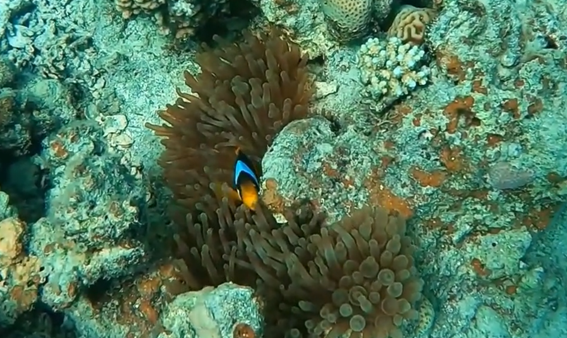
Dahab is more than a dive destination — it became a field classroom.
Through my time in the Red Sea region, I explored coral reef ecosystems, marine litter pathways, and the human dimensions of ocean connection. This page traces how scientific training, diving practice, and emotional awareness came together in Dahab.
Coming to Dahab: Learning Through Place and Practice
I was a recent graduate when I first arrived in Dahab in 2018, having just completed my Master’s degree in Marine Biology. Instead of settling into a conventional research position, I chose to continue an ocean-connected, nomadic path. I contacted a German research centre and dive club in Dahab, South Sinai, and decided to combine two goals: improving my diving skills and training as a Divemaster, while working with the Red Sea Environmental Centre (RSEC*) to deepen my understanding of the Red Sea’s biodiversity. Through the Reef Check EcoDiver framework, I began learning to identify corals, reef fish, and other key species — translating theory into lived, underwater experience. Arriving in Dahab in August was a challenge in itself: The extreme heat, the dry desert climate, unfamiliar food — delicious, yet entirely different — and a new cultural context created a steep learning curve from the very first days. Daily life required adaptation, patience, and openness.
The Reef as Classroom
Underwater, however, everything slowed down. The reefs of the Red Sea became my classroom: structured yet alive, resilient yet fragile. Long days of diving, species identification, and ecological monitoring sharpened not only my technical skills, but also my attention. I learned to observe patterns, notice subtle changes, and understand reefs as dynamic systems rather than static beauty. At the same time, I improved my diving skills daily, and supported University students during their underwater studies and samplings.
A Turning Point: From Field Experience to Research
That first stay in Dahab marked a turning point. It was not only about diving deeper or collecting species lists, but about learning how to look — at ecosystems, at human–ocean relationships, and at my own place within them. When I eventually left Dahab, I carried this way of seeing with me into further studies, research projects, and conservation work elsewhere. It laid the foundation for my later academic work on marine litter in the Red Sea. What began as an assignment within an international MOOC** on marine litter, evolved into a collaborative research effort together with my lovely colleagues. Driven by both scientific curiosity and a strong emotional response to what I had observed in the field, I took on the role of first author in a collective review paper examining the status of marine litter in the Red Sea and its policy implications. The publication emerged from shared motivation rather than institutional pressure — shaped by lived experience, interdisciplinary collaboration, and the desire to translate observation into structure, and concern into policy-relevant knowledge.
Returning to Dahab: 8 years later
When I returned to Dahab at the end of 2025, I arrived as a different person. I was no longer a newly graduated marine biologist, but a young scientist shaped by years of work and study in academia — and by a growing awareness of the emotional and embodied dimensions of ocean connection.
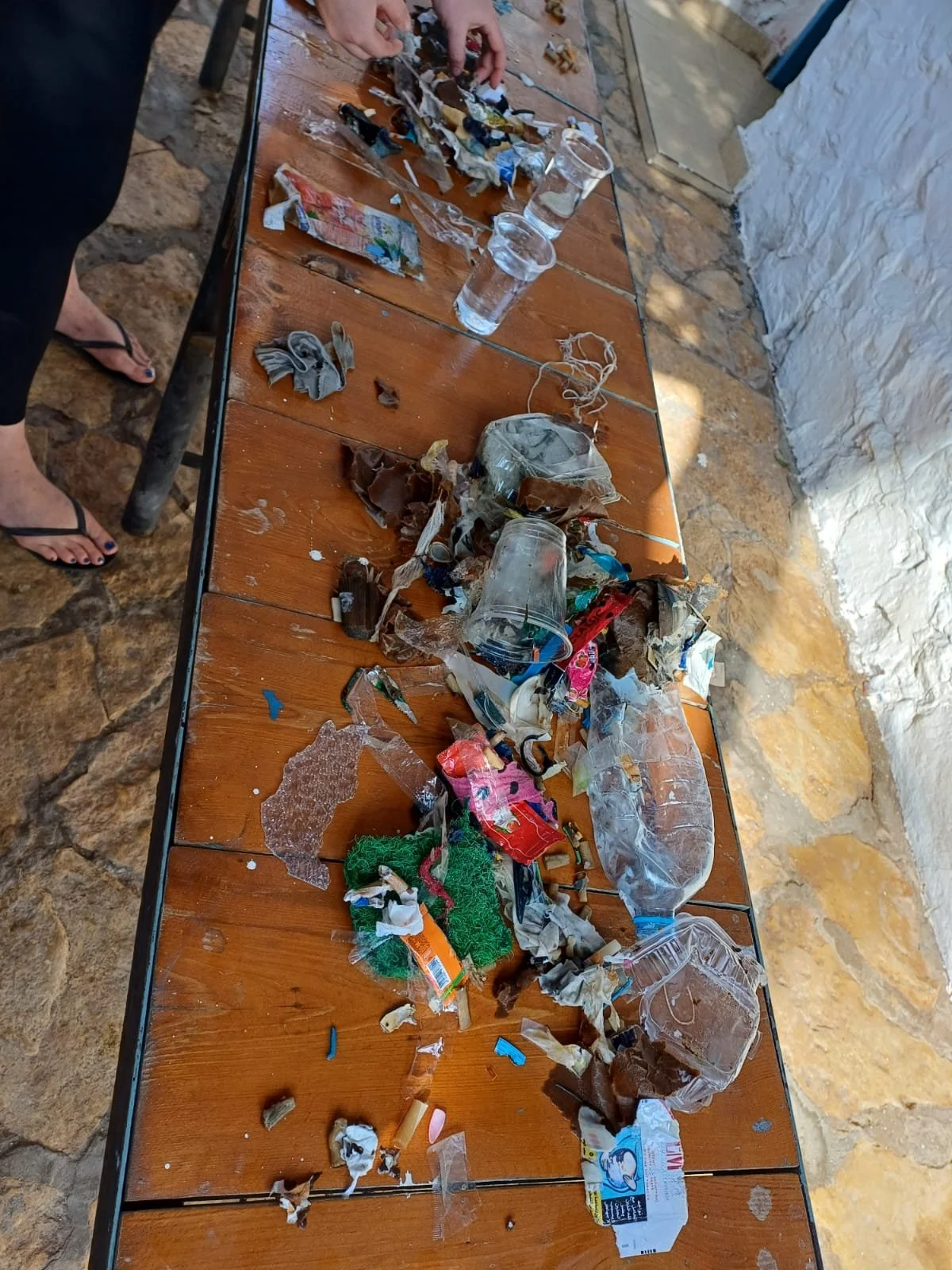
The reefs were familiar, yet my relationship with them had changed. I spent more time observing than collecting, listening rather than rushing. Alongside diving, I participated in a local clean-up dive (Dive Against Debris, with the dive center Scuba Seekers), contributing data to the PADI AWARE database — with a significant proportion of recorded debris consisting of fibers and textile-related waste. These insights I will share within my project from Clothes 2 Corals.
Relationships, Return, and the Importance of Closure
Traveling back to the same place also means moving through relationships — and learning how to open and close them well. During my first time in Dahab, I met many people, danced and dove with them, enjoying dinner, Yoga, Shisha, and long conversations together. I built beautiful warm connections, and those memories stayed with me until today. During my second stay I could partly reconnect with these people, partly not. I made a few new connections, some were just temporary. At the end of my stay, I connected with an old friend, having dinner at our friends place, and talking deeply about life, us, travelling, and the beauty of life.
These experiences taught me that staying open matters — but so does closing at the right moment, so that real, respectful relationships have the space to unfold and grow.
Traveling with Sensitivity: Boundaries, Care, and Emotional Literacy
Traveling as a sensitive woman often means navigating intensity: being open, curious, and visible can attract both care and carelessness. Along the way, I have met people - men and women alike - who offered generosity, respect, and grounding presence; but also others who lacked awareness. These encounters became part of my learning too. They taught me that boundaries are not barriers, that endings deserve as much attention as beginnings, and that emotional literacy is as essential for sustainable lives as it is for sustainable oceans.
*website currently down, will be updated.
**currently not open for students.
